
Tanzania Awaits: Why East Africa’s Best-Kept Secret Deserves a Spot on Your List
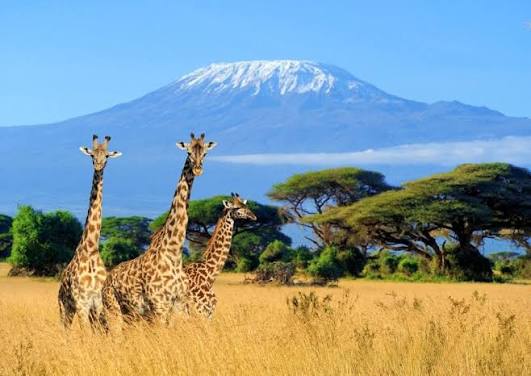
There’s a moment that happens to almost everyone who visits Tanzania for the first time. Maybe it’s watching the sun rise over the Serengeti as a herd of wildebeest thunders past in the distance. Maybe it’s the first glimpse of Kilimanjaro’s snow-capped peak floating above the clouds. Or maybe it’s simply the salty breeze on a dhow boat drifting off the coast of Zanzibar. Whatever the trigger, the feeling is the same: this place is different.
A Country of Astonishing Range
Few countries pack in as much natural diversity as Tanzania. Within its borders you’ll find Africa’s highest peak, its largest lake, and one of the greatest wildlife migrations on Earth. The Serengeti’s endless plains host over two million wildebeest and zebra on their annual trek north — a spectacle so vast it can be seen from space. Not far away, the Ngorongoro Crater cradles an entire ecosystem within its walls, home to one of the densest concentrations of lions, elephants, and rhinos anywhere in Africa.
And then there’s the coast. Zanzibar’s white-sand beaches and turquoise water feel worlds away from the savanna, yet they’re only a short flight apart. Stone Town, with its narrow alleys, carved wooden doors, and centuries of Swahili, Arab, and Indian history, is a UNESCO World Heritage Site that rewards slow, aimless wandering.
Beyond the Big Five
While safaris understandably draw the crowds, Tanzania rewards travelers who look a little further. The Usambara Mountains offer cool, green hiking trails and a completely different side of the country. Lake Tanganyika, one of the deepest lakes in the world, borders remote chimpanzee sanctuaries in Mahale and Gombe. And for the adventurous, climbing Kilimanjaro remains one of the most achievable high-altitude treks on the planet — no technical climbing skills required, just determination and a good set of lungs.
A Warm Welcome
What often stays with visitors longest isn’t the wildlife or the landscapes — it’s the people. Tanzanian hospitality, rooted in the spirit of Hamna Shida (“no worries”), has a way of putting travelers instantly at ease. Swahili phrases like Karibu (welcome) aren’t just words; they’re a genuine invitation.
Planning Your Visit
The dry seasons (June–October and January–February) are generally best for wildlife viewing, especially if witnessing the Great Migration is on your list. Zanzibar, meanwhile, is enjoyable nearly year-round, though it has its own rainy stretches worth planning around.
Whether you’re drawn by the promise of a safari, the pull of Kilimanjaro’s summit, or the simple appeal of a slower pace by the ocean, Tanzania offers something rare: a country that still feels wild, welcoming, and entirely its own.
1 comment on “Tanzania Awaits”
Hi, this is a comment.
To get started with moderating, editing, and deleting comments, please visit the Comments screen in the dashboard.
Commenter avatars come from Gravatar.